Closing rounds
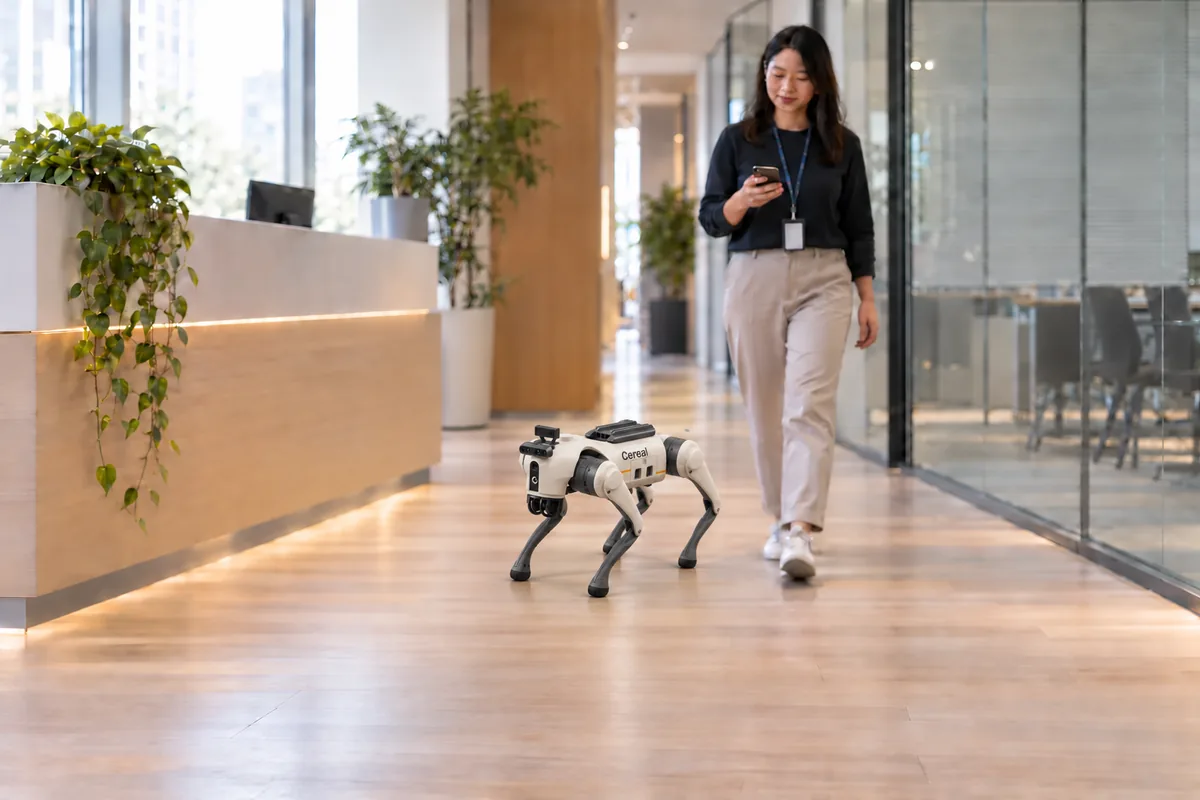
Walk an agreed route after the building closes and check doors, fire doors, exits and lights. The person walking decides what needs action, and each photo keeps the time and place.
What can a robot do on after-hours rounds today? A guard or facilities person walks an agreed route with our robot and asks for a timed photo where it matters: an open door, a propped fire door, lights left on, a leak or a blocked exit. It does not patrol alone or replace a guard. Founding-site pilots: $1,250 USD a month per robot in the US or ฿29,900 in Thailand, from early 2027.
For security managers, facilities teams and building operators
Night rounds are the same doors and corridors, checked the same way, many times a week. A robot can help a guard or facilities team check more of them and keep a photo of each, while a person stays in charge of what happens next. Cole handles the conversation; the site decides where the robot may go and who sees what.
Start with rounds your team already walks: a supervised after-hours route, with a photo at each stop that matters, such as a door left open, a propped fire door or a blocked exit. Our current quadruped is a supervised test robot; rounds it walks on its own are planned, not available today. Security workflows need their own site survey and validation, and it does not replace guards, alarms or emergency response.
Walk an agreed route after the building closes and check doors, fire doors, exits and lights. The person walking decides what needs action, and each photo keeps the time and place.
A guard or duty manager asks Cole for a look at a stairwell door, a loading bay or a plant room, and walks there with the robot. Requests and results stay with the site, so the next shift can see what was checked.
The night's photos and times stay with the site, so the morning team and the building owner can see what was checked and what needed attention. Connecting the record to an existing guard tour or incident system is separate scope.
| Option | Price | What it covers |
|---|---|---|
| Cereal founding-site pilot | $1,250 USD a month per robot in the US, or ฿29,900 a month in Thailand | The robot running Cereal OS, Cole, setup on site, software updates, remote support and a replacement unit if one fails |
| Setup | No setup fee for founding sites (otherwise $1,500 USD in the US, or ฿45,000 in Thailand, one time) | Mapping your site and setting the robot up there with your team |
| Refundable deposit | $1,000 USD, refundable in full before the robot ships. It counts toward the pilot | Holds one of the numbered founding-site places |
| Buy outright | From $24,900 USD per robot, plus the Cereal OS plan from $299 USD a month per robot | For a site that wants to own the robot. The Cereal OS plan covers Cole, updates and support |
| For comparison: one night guard, 8 hours a night | About $6,000 to $12,000 a month, at $25 to $50 an hour billed | A person who can respond, de-escalate and call for help. A robot does not replace that |
| For comparison: an autonomous patrol robot from another maker | About $1,750 to $8,000 a month per robot, as published | Scheduled patrols on its own, with alerts to a person. Cereal's rounds on their own are planned, not available yet |
Prices are before local taxes and import duties. Full terms are on the founding list. Guard and patrol robot figures are published US examples, 30 nights a month at standard rates.
Sources: Talo (April 2026: most businesses pay $25 to $50 an hour for standard security services); Belfry Software (September 2025: the average rate charged to clients typically $35 to $50 an hour); San Antonio Report (February 2024: $21,000 a year for one airport patrol robot, about $1,750 a month); Oxmaint (May 2026: $7 to $11 an hour of patrol, about $5,000 to $8,000 a month around the clock).
On a supervised round, the person walking with the robot asks for a photo at each stop that matters. Typical stops:
A guard tour system, on paper or with a tag at each checkpoint, shows that someone passed a point at a time. It does not show what they saw.
With our robot, each stop a person asks about gets a photo logged with the time, so the morning team sees what the door, the floor or the exit looked like, not only that someone was there. Today a person picks the stops as they walk. Next come rounds it walks on its own from a list of stops you name, with a photo at each one and a note of any stop it could not reach.
| What the record shows | Paper or tag guard tour | Our robot today | Planned: rounds on its own |
|---|---|---|---|
| Someone was at the point | Yes | Yes, the robot and the person with it | Yes, the robot |
| What the point looked like | Only if the guard writes it down or takes a photo | A photo when asked | A photo at every stop |
| The time of each check | Yes | Yes | Yes |
| Stops that could not be reached | Only if the guard notes it | The person walking notes it | Listed in the round's record |
| Who walks the route | A guard | A guard or facilities person, with the robot | The robot, with a person on call |
The last column is planned and not available today. We test it with a person present before we offer it.
Rounds help most where the same doors and corridors are checked night after night:
Only people the site allows can open its live view, watching never gives control, and every link you share expires within an hour. We agree which areas are in scope, what is kept and for how long, and keep private offices and rooms out of view.
There are three ways to stop it: its handheld remote, the Stop button on its live page, or asking Cole.
Founding-site pilots start in Thailand and the US from early 2027. In Thailand the price is ฿29,900 a month per robot, with no setup fee for founding sites, and service visits are in Bangkok. Your guards and facilities team can talk to Cole on LINE, WhatsApp or by phone, with a Thai number for calls: +66 97 531 1328.
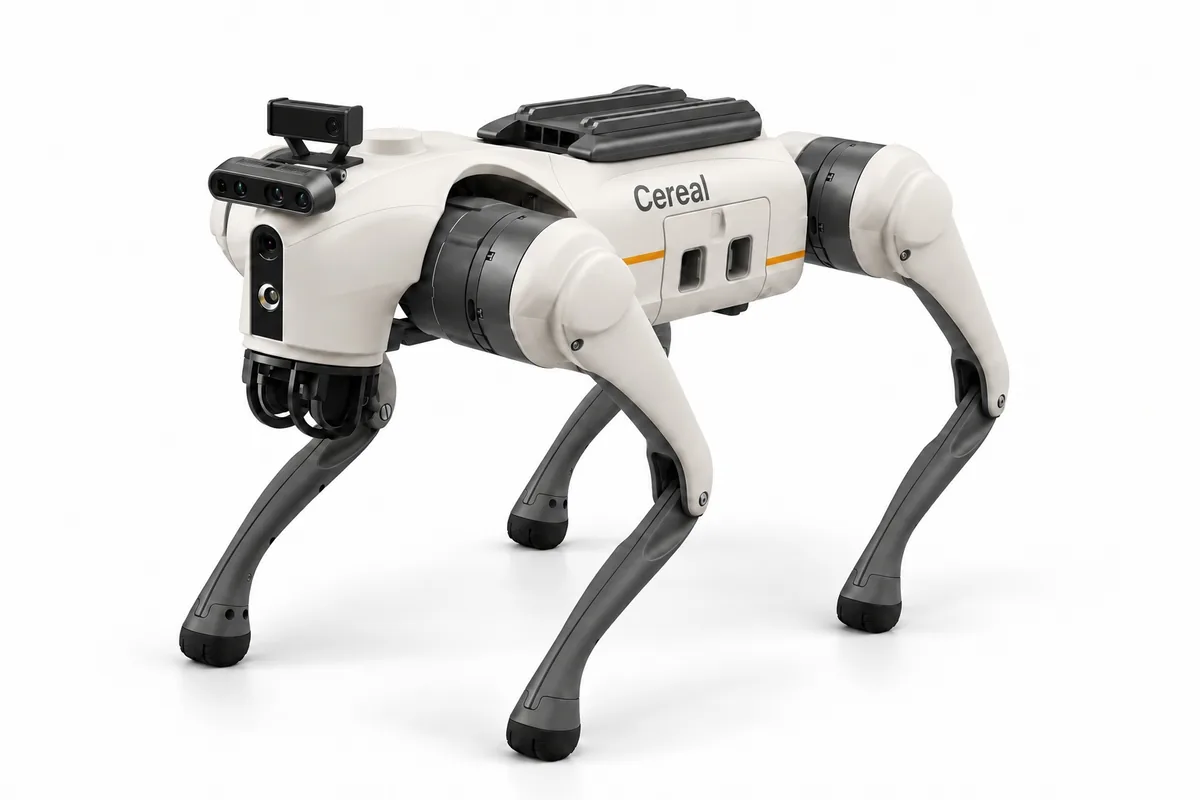 Today · test robot
Conversation, observation and supported movement on our current quadruped. See the real demonstration; each new site still needs setup and validation.
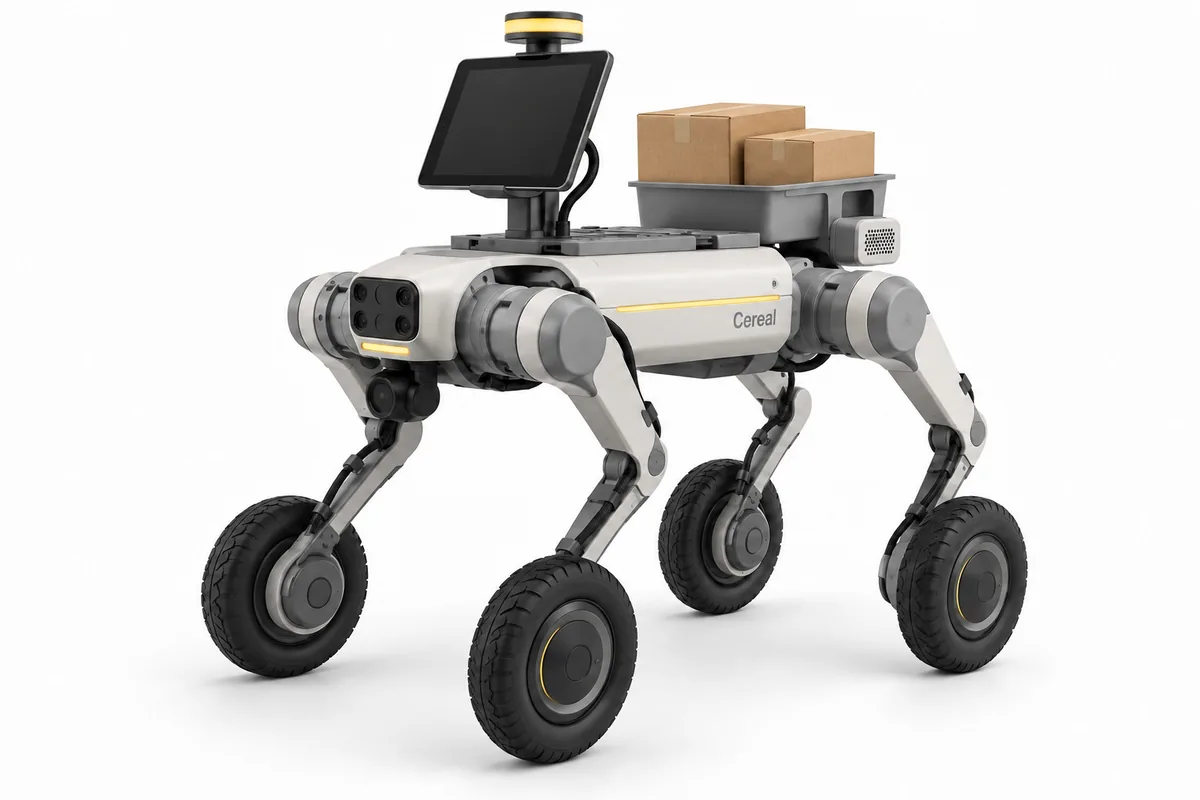 Next · planned
Wheeled robots that carry boxes and parcels between approved places. They will not move pallets or load and unload themselves. Specific models, payloads and integrations will be confirmed before deployment.
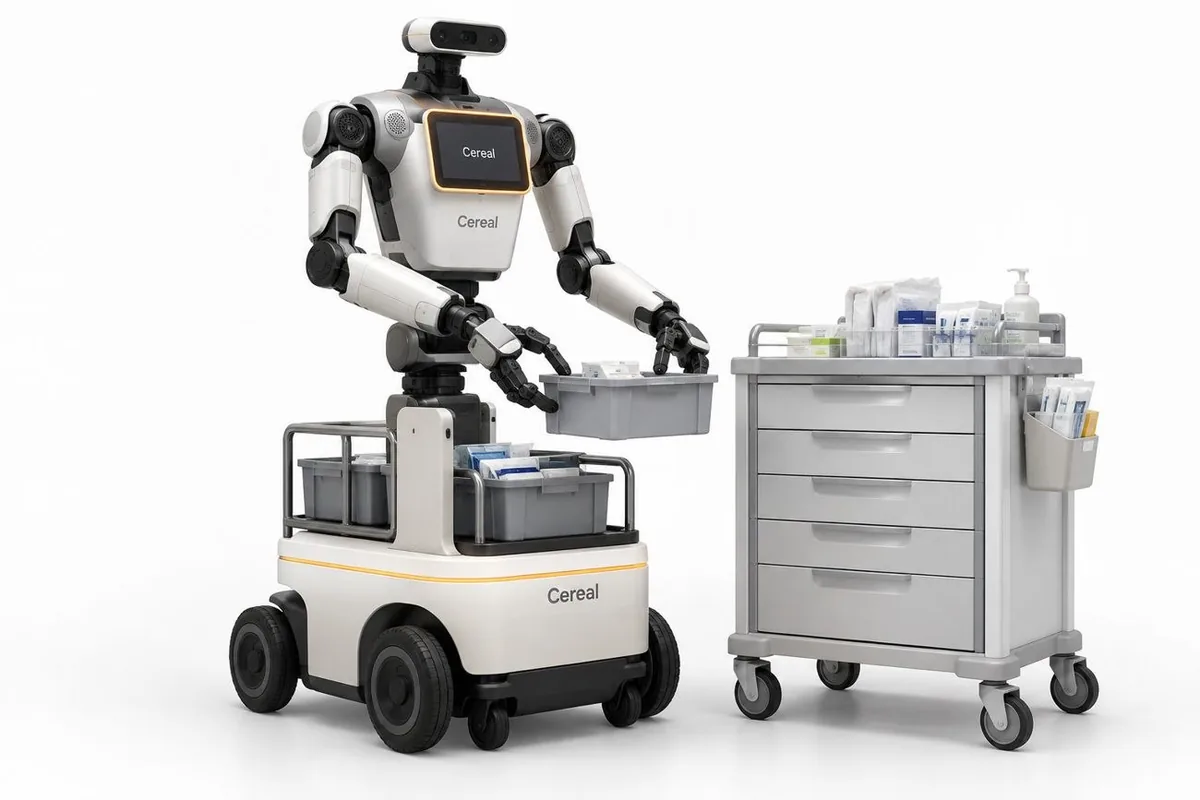 Then · planned
Bodies for delivering items and serving people in homes, hotels and offices. Each workflow is tested before it is offered.
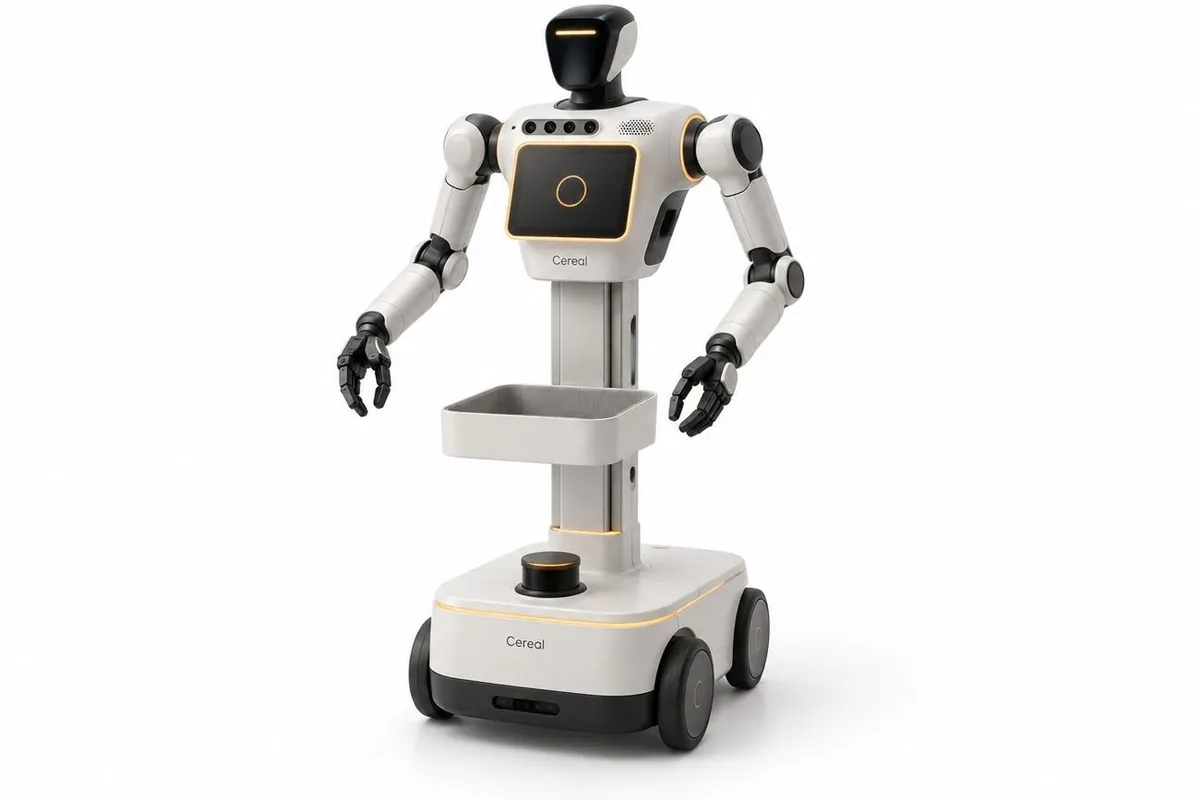 After that · planned
A humanoid upper body on a wheeled base, with arms for reaching and handover. Each manipulation task needs its own tested hardware and skill.
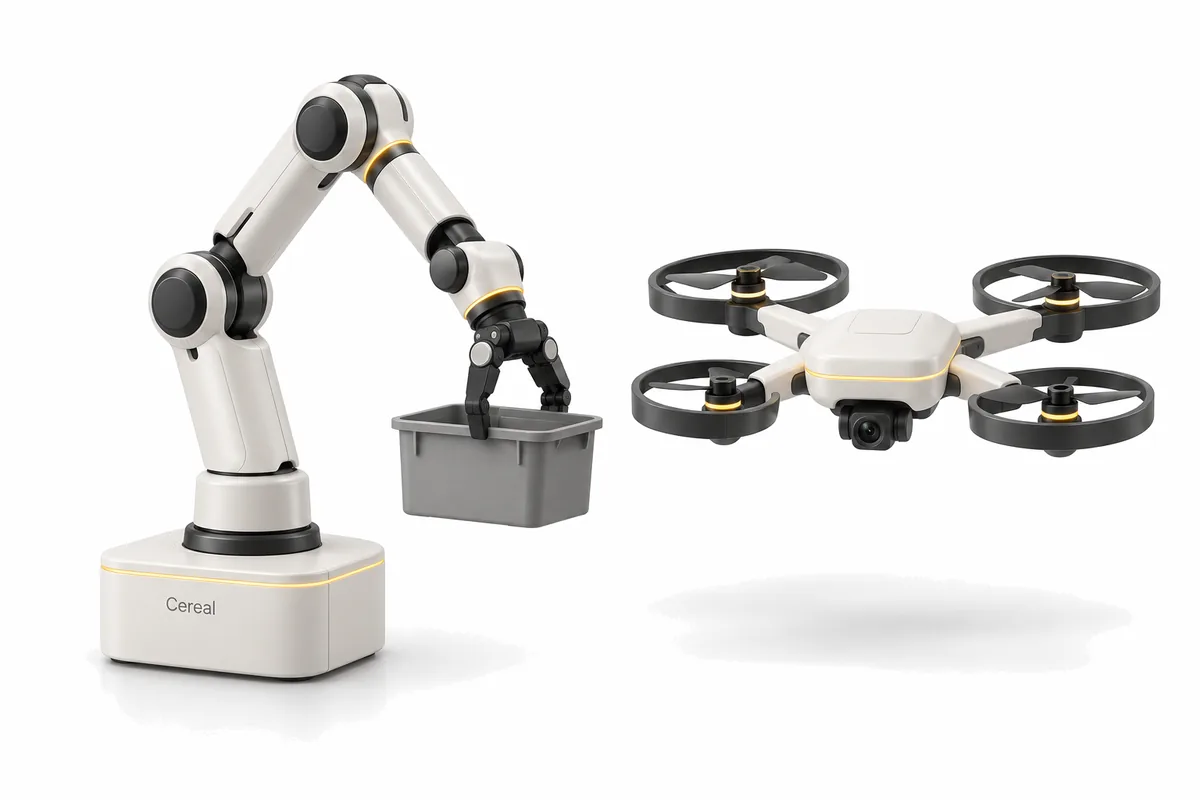 Later · planned
Drones for high places and large sites, and robot arms for fixed stations. Each needs its own integration and safety case before it joins a site.
Site context is designed to outlast a robot. A new body still needs a supported integration, localization, permission review and validation of its skills. Our cross-body demonstration to date is in simulation.
Read the cross-body result →Start small enough to learn what works. Expand only after the team and the site owner review the results.
Read about permissions and privacy →Review the route, doors, thresholds, lighting and lift access after hours. Doors, lifts and badge readers stay with staff until any integration is tested. Begin on one approved floor or path with a person present.
Name the guard, duty manager or monitoring service that receives the photos and decides what happens next. The robot reports; it does not respond to intruders, alarms or emergencies.
Agree what is in view, what is kept and who can watch. Plan a charging spot and network coverage along the route; the current robot uses internet services.
Tell us about your building and the checks you want to improve. Joining is free and commits you to nothing.
On a short call we agree its first task, using only what it does today, and put the scope and start date in writing before anything is charged.
We set it up with you on one approved route, with your guard or duty manager present and a stop procedure everyone knows.
Over the 90 days we review what it found, how often a person stepped in and what your team used. Cancel by day 75, or it continues onto the term.
A pilot should answer a real question for you. Record the starting point, test the agreed workflow and review where it helped or needed intervention.
Not today. It helps a guard or facilities person check more of a building after hours and keep a photo of each check. It does not patrol on its own, respond to intruders or replace guards, alarms, access control or emergency response.
Not yet. Today a person walks with it. Rounds it walks on its own, from a list of stops you name, come next, with a photo at each stop and an alert to a person when something needs attention. We test them with a person present before we offer them.
Our founding-site pilot is $1,250 USD a month per robot in the US, or ฿29,900 a month in Thailand, with no setup fee for founding sites. 90 days for up to 2 robots. Cancel by day 75, or it continues onto the term and the pilot months count toward it. Add the time of the person who walks with it.
A guard can respond, de-escalate and call for help; a robot cannot. One night guard for 8 hours a night costs about $6,000 to $12,000 a month at typical US billed rates. Our robot adds a photo record of each check and helps a smaller team cover more ground; it does not remove the need for a person on call.
It can follow a person into a lift today. It does not open a door, call a lift or pass a badge reader itself; staff handle those until any integration is tested building by building.
Pilots start indoors or on dry, paved paths. The current robot is not rated for heavy rain or extreme heat, and battery life limits each round.
Only people the site allows. Watching never gives control, every link you share expires within an hour, and you can end a link at any time.
Pilots start in Thailand and the US from early 2027, with service visits in Bangkok. Your team can reach Cole on LINE, WhatsApp or by phone.
Joining is free. Suitability, supported tasks, timing, pricing and support are agreed before anything is charged.