A robot for your campus. Another pair of eyes on the route.
Large sites have long routes and many small checks: paths, gates, set-ups and whatever is left behind after an event. Cereal connects Cole's conversation to a supervised robot that walks an agreed route and reports what it sees, with the result kept for the operations team.
For campus operations, venue managers, resorts and industrial parks
What could a robot do on a campus or at a venue?
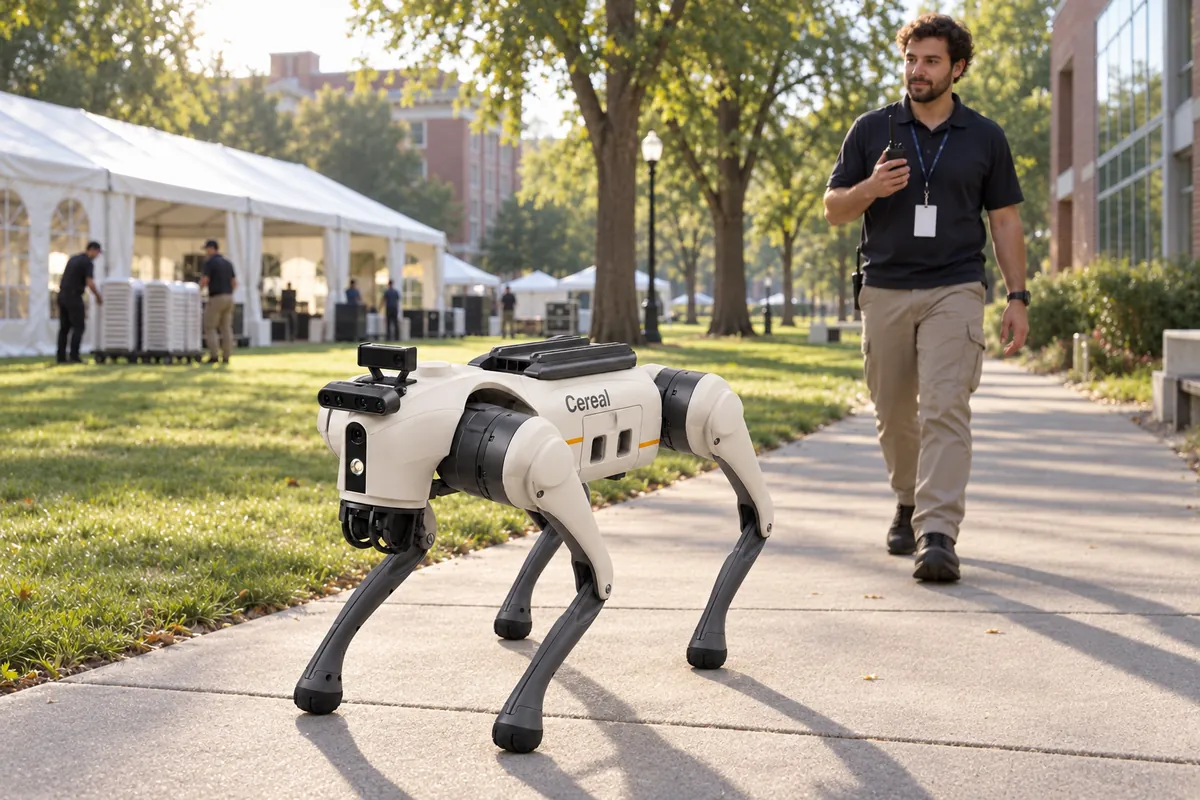
Start with route checks your operations team already does: a supervised walk of an agreed path before an event opens and after it closes, reporting blocked paths, open gates or items left behind. Our current quadruped is a supervised test robot. Outdoor routes, weather and crowds need their own assessment and validation.
01 / A workflow to evaluate
Before the doors open
Walk an agreed route through set-up areas and paths, and report what is visible: a blocked path, a missing barrier, an open gate. The operations lead decides what needs fixing, and the pilot measures how useful those observations are.
02 / A workflow to evaluate
After the crowd leaves
Check the same route after an event for items left behind, spills or damage on the paths, and send each observation with its location and time to the person on duty.
03 / A workflow to evaluate
Questions answered on the way
Staff can ask Cole about the route, the schedule or what the robot saw. Speaking with visitors through the robot needs its own agreement on wording, languages and privacy before it is tested.
The first body, and the next ones
A job must fit its body.
Today · test robot
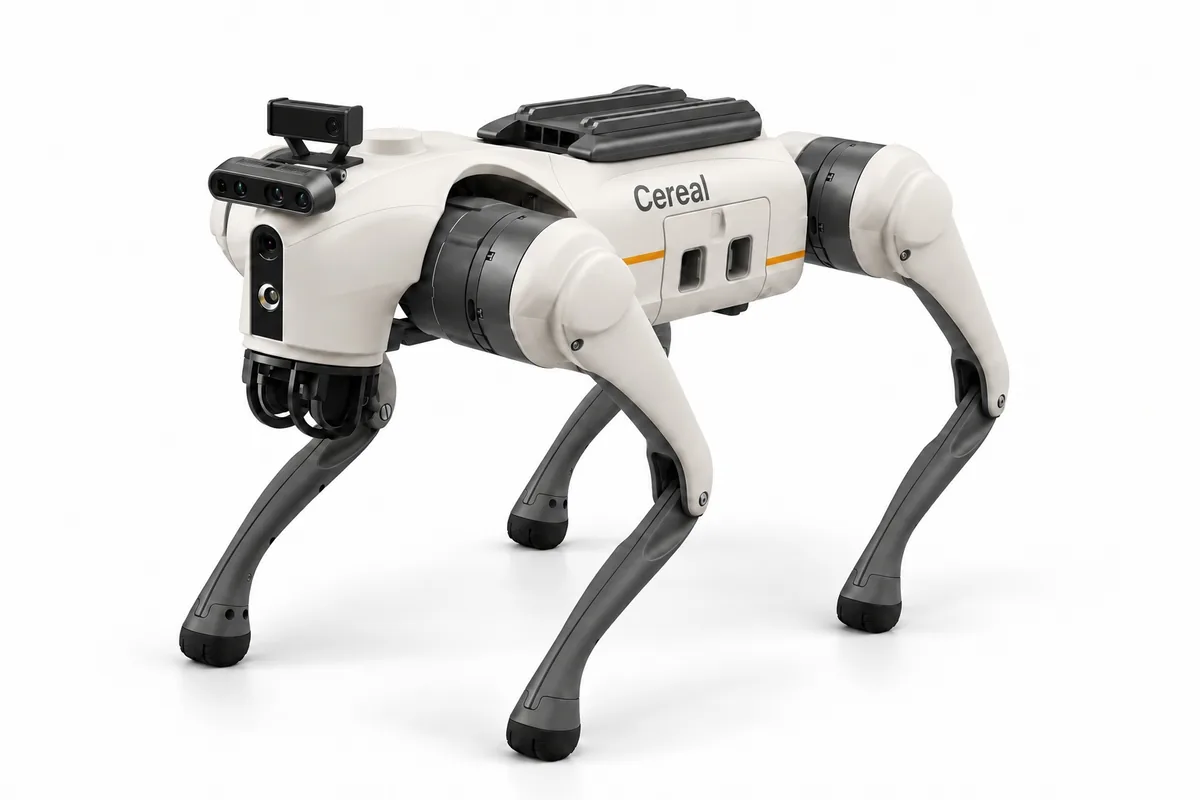
Four-legged robot
Conversation, observation and supported movement on our current quadruped. See the real demonstration; each new site still needs setup and validation.
Next · planned
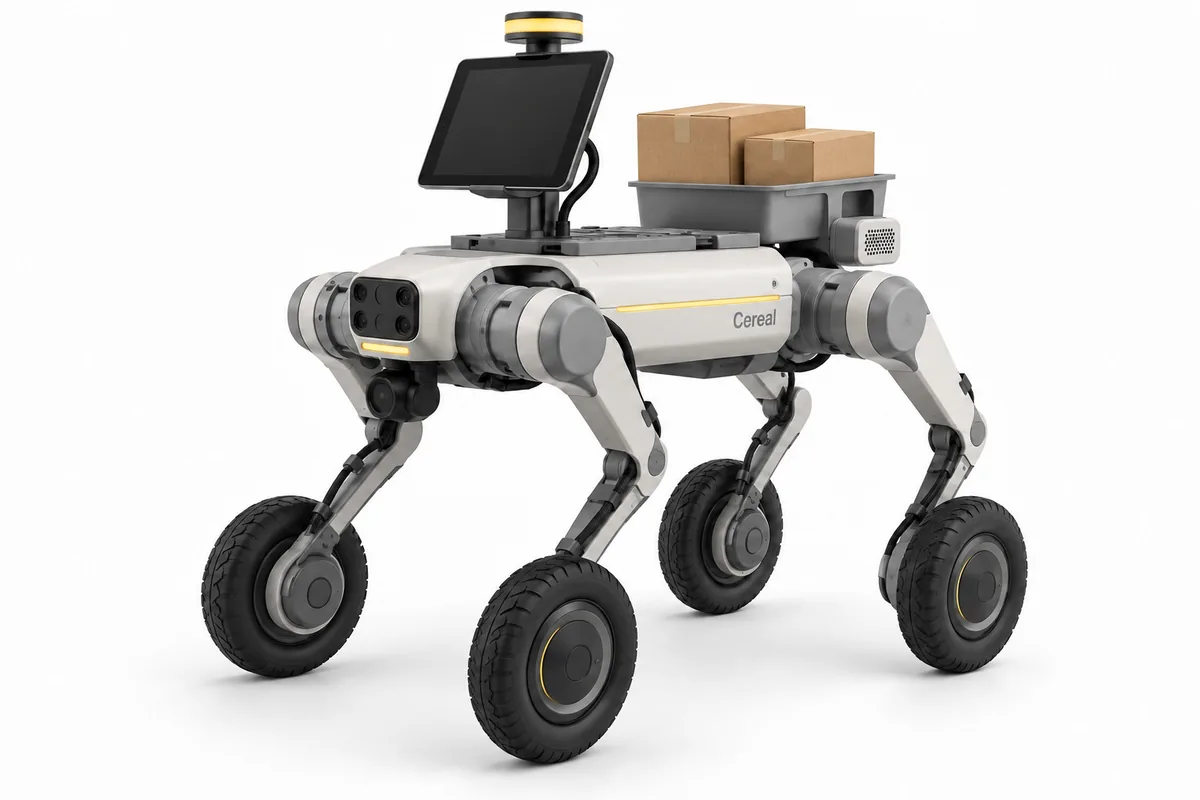
Box & parcel transport robots
Wheeled robots that carry boxes and parcels between approved places. They will not move pallets or load and unload themselves. Specific models, payloads and integrations will be confirmed before deployment.
Then · planned
Delivery & butler robots
Bodies for delivering items and serving people in homes, hotels and offices. Each workflow is tested before it is offered.
After that · planned
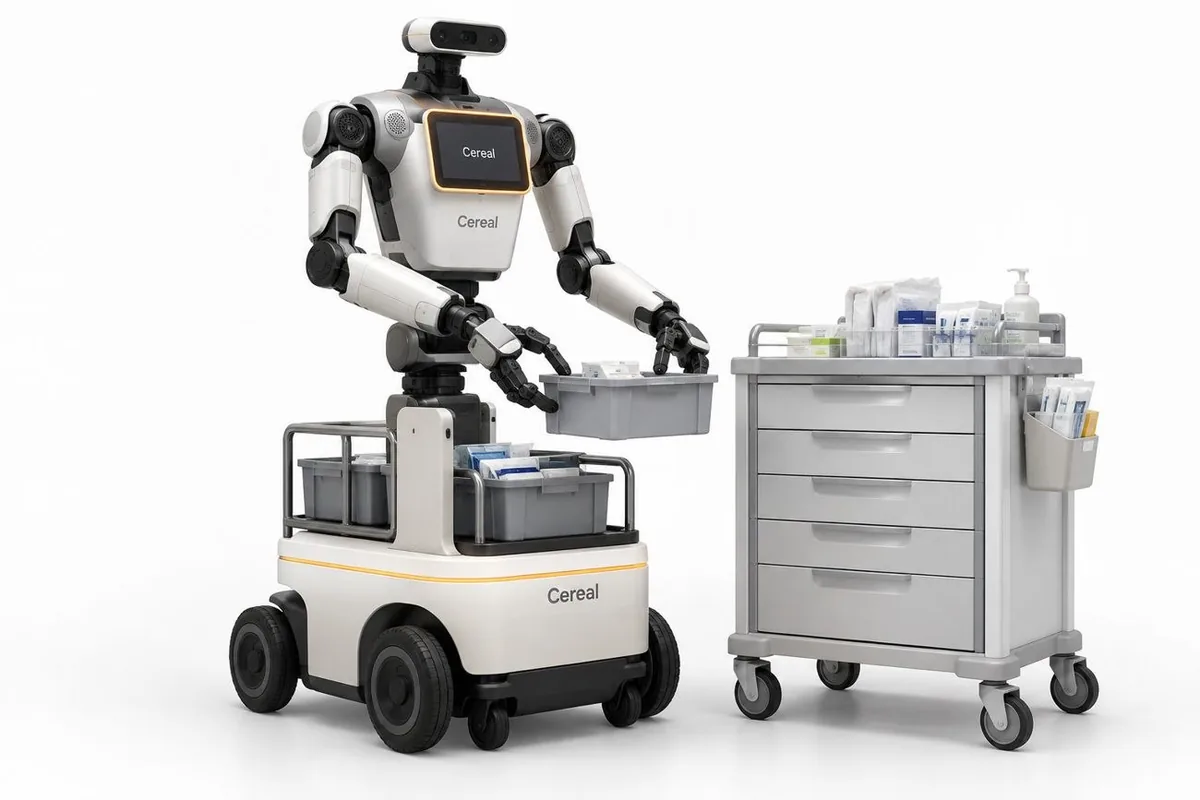
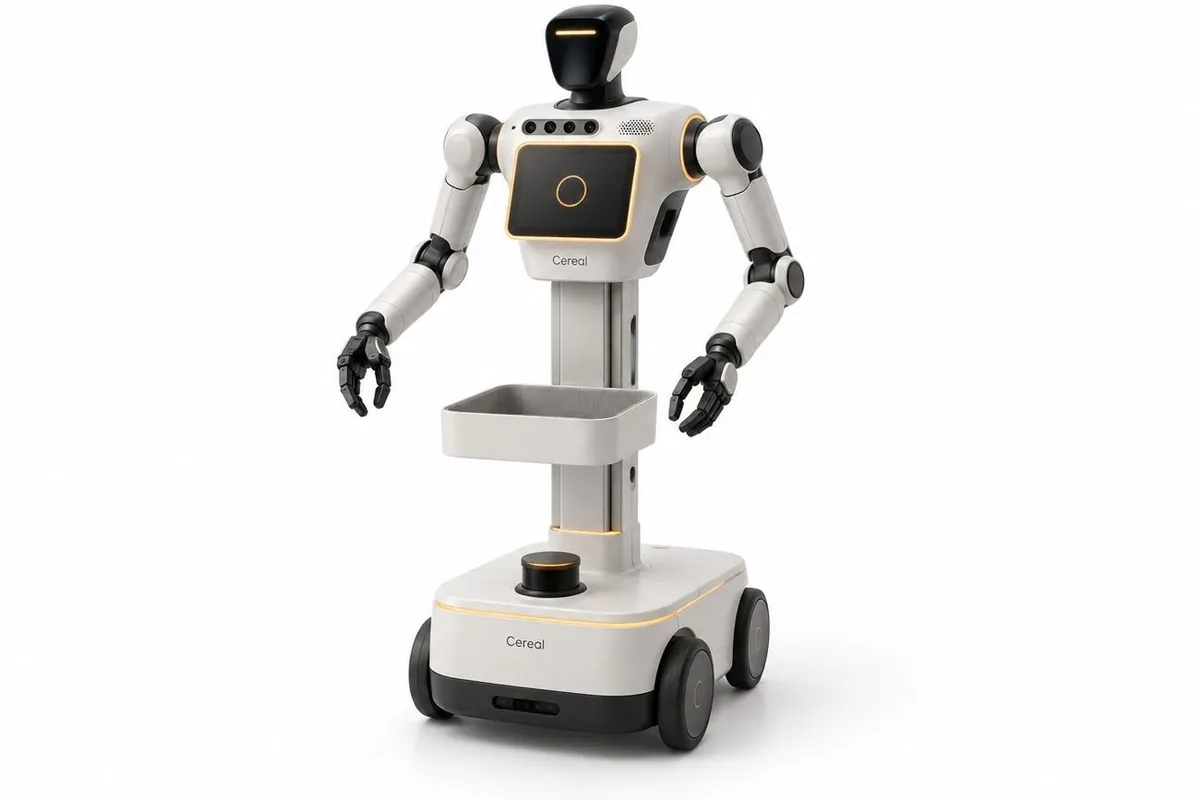
Humanoid on wheels
A humanoid upper body on a wheeled base, with arms for reaching and handover. Each manipulation task needs its own tested hardware and skill.
Later · planned
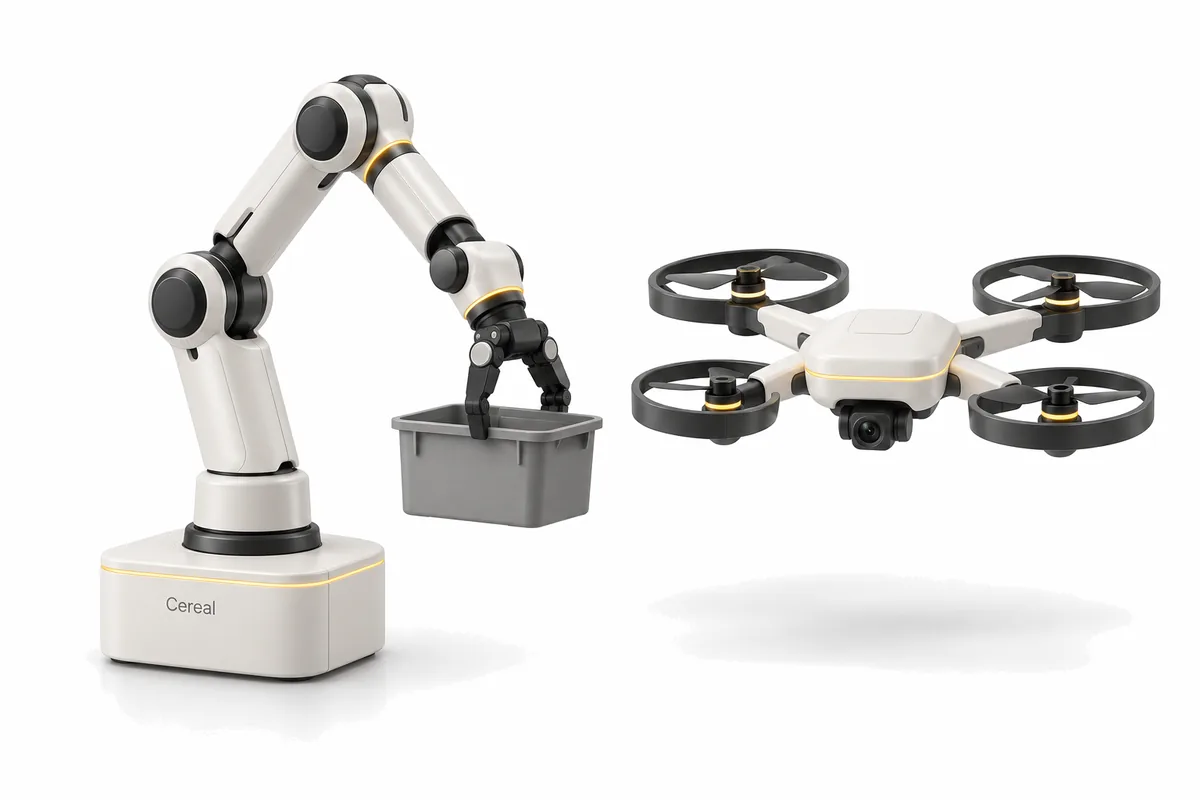
Drones & robot arms
Drones for high places and large sites, and robot arms for fixed stations. Each needs its own integration and safety case before it joins a site.
Site context is designed to outlast a robot. A new body still needs a supported integration, localization, permission review and validation of its skills. Our cross-body demonstration to date is in simulation.
Outdoor routes need checks for slopes, kerbs, grass, gravel, rain and darkness. The current robot is not rated for heavy rain or extreme heat, and battery life limits each route. Start on a dry, paved route in daylight.
People and crowds
Begin before opening or after closing, not in a crowd. Agree where the robot may go, how fast, who supervises it and how anyone can stop it.
Privacy in public spaces
Visitors and students have not agreed to be filmed. Decide what the camera may record, add signs where needed and keep retention short. Live views go only to people the site allows.
Measure something useful
Agree what success means.
A pilot should answer a real question for you. Record the starting point, test the agreed workflow and review where it helped or needed intervention.
01Route checks completed with useful observations
02Issues reaching the person on duty with location and time
03Staff time saved on routine walks
04No privacy complaints from visitors or students
Questions before you join
The practical details.
Is it a security robot?
Not today. It does not replace security staff, cameras or emergency services, and unattended patrols are planned, not available. A person stays responsible for the site and for any response.
Can it work at night or in the rain?
Night routes and weather limits must be tested on your site with the chosen hardware. We do not claim all-weather operation, and pilots start in good conditions.
Can it guide visitors or answer their questions?
Cole can answer questions by phone or chat today. Speaking with the public through the robot needs agreed wording, languages, privacy rules and supervision, and would be tested before it is offered.
How do we start, and how is it priced?
Join the founding-site list with a short description of your site and the routes you want to check. We scope the robot, setup, support and integrations with you. Pricing and timing are agreed before any commitment or charge.
The founding list
Tell us about your site.
Joining is free. Suitability, supported tasks, timing, pricing and support are agreed before anything is charged.