A robot for your care floor. A record your surveyor can read.
Care runs on people, and the night shift is thin. A robot can help with the routine checks that pull staff away from residents, but only with clear permissions, a person responsible and a record the site can show. Cereal connects Cole's conversation to a supervised robot, with resident privacy agreed before it takes a step.
For care community operators, nursing leaders and hospital facilities teams
What could a robot do on a care floor?
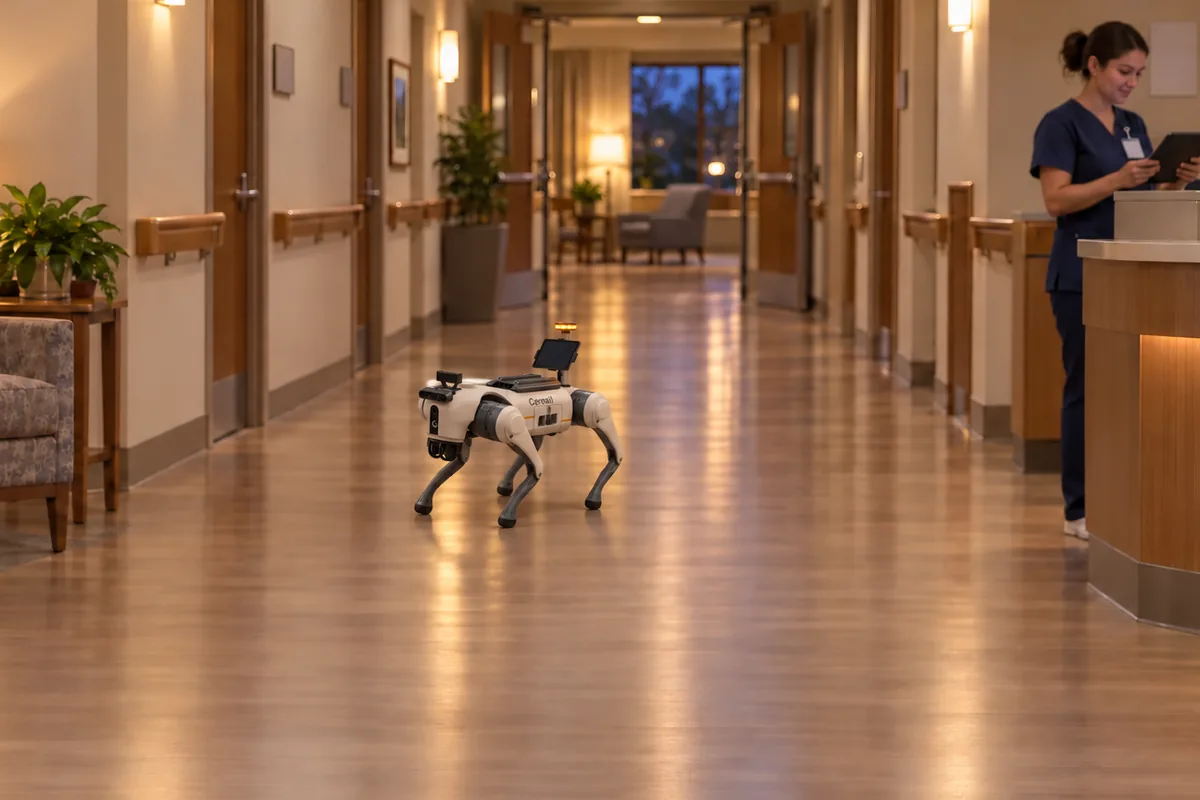
Start with rounds your staff already do: a supervised walk of an agreed corridor that reports blocked fire doors, obstructions or a wet floor to the nurse station. Our current quadruped is a supervised test robot, and its first real demonstration is in a home. Care workflows need their own site assessment, resident-privacy rules and supervised validation. It does not monitor residents, detect falls or provide care.
01 / A workflow to evaluate
Night rounds, with a person on the other end
Test a short supervised round of a corridor and its shared spaces: fire doors closed and clear, nothing blocking a handrail, no spill on the floor. Each observation reaches the nurse station with the time and place, and a person decides what happens next.
02 / A workflow to evaluate
Checks staff can ask for
A nurse or aide asks Cole, in plain words, for a look at a corridor, a lounge or a storeroom door. The robot goes only where it is allowed and reports what it sees. Requests and results stay with the site, so the next shift can see what was checked.
03 / A workflow to evaluate
A record a surveyor can read
Keep who asked, what was checked, when and the outcome together, including checks that failed or were interrupted. Evaluate whether this makes rounds documentation easier. A robot's record does not replace the clinical or safety documentation your standards require.
The first body, and the next ones
A job must fit its body.
Today · test robot
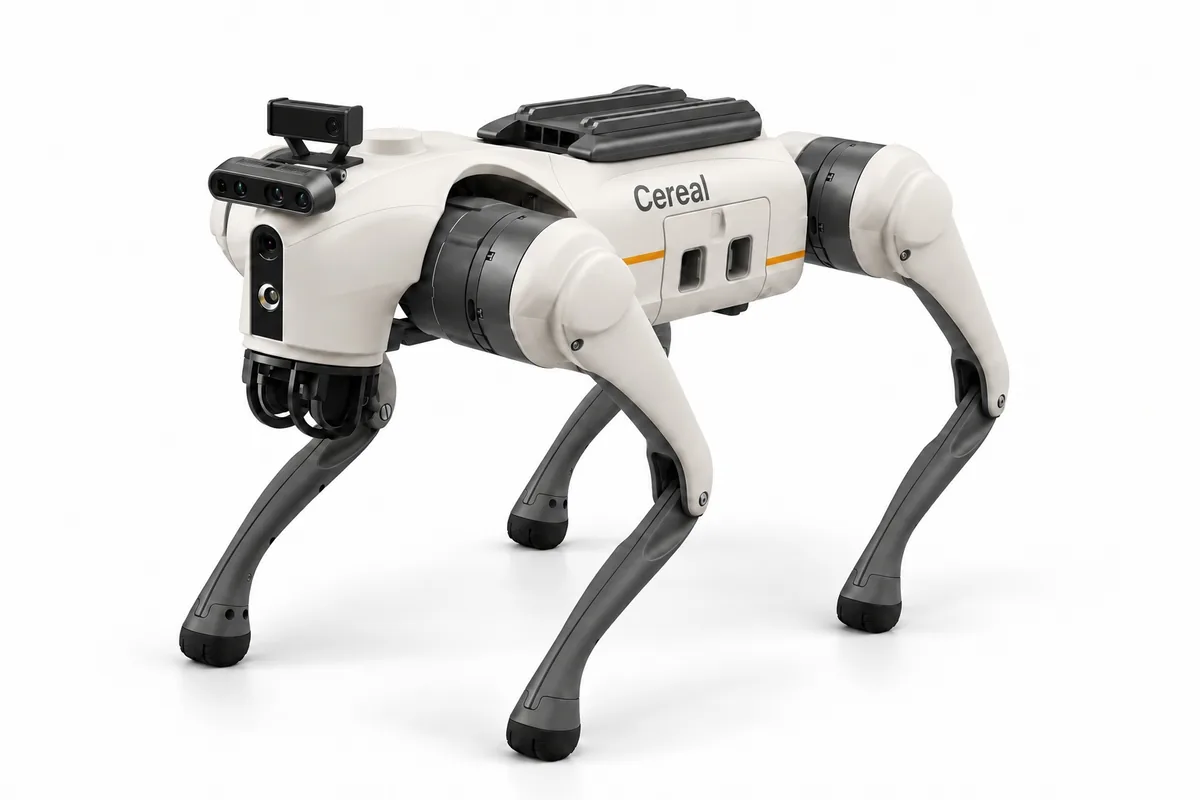
Four-legged robot
Conversation, observation and supported movement on our current quadruped. See the real demonstration; each new site still needs setup and validation.
Next · planned
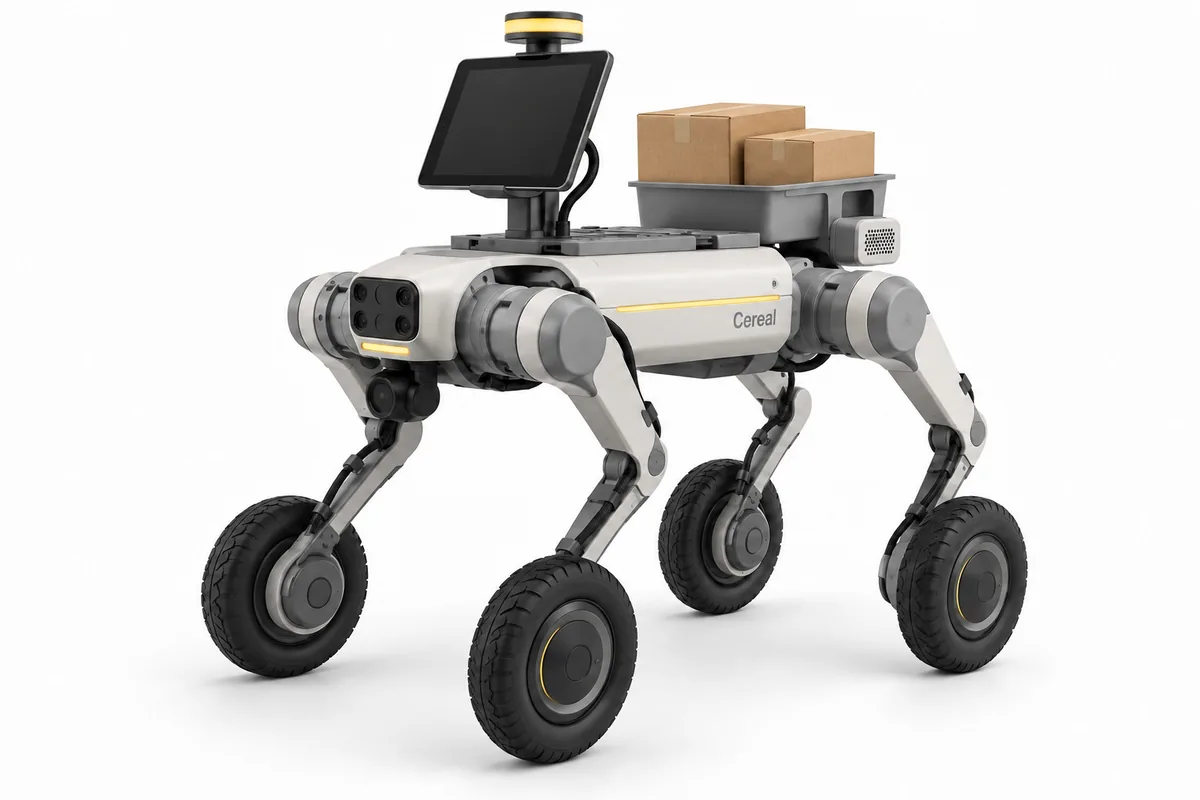
Box & parcel transport robots
Wheeled robots that carry boxes and parcels between approved places. They will not move pallets or load and unload themselves. Specific models, payloads and integrations will be confirmed before deployment.
Then · planned
Delivery & butler robots
Bodies for delivering items and serving people in homes, hotels and offices. Each workflow is tested before it is offered.
After that · planned
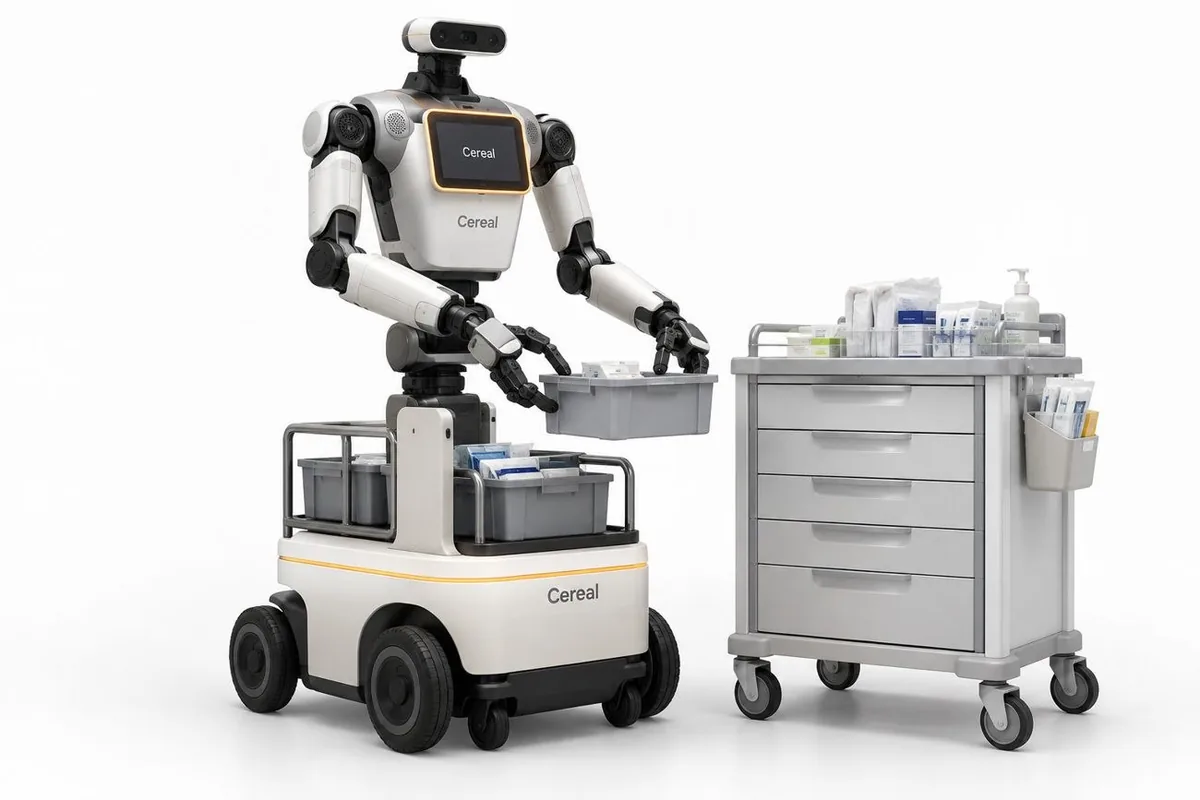
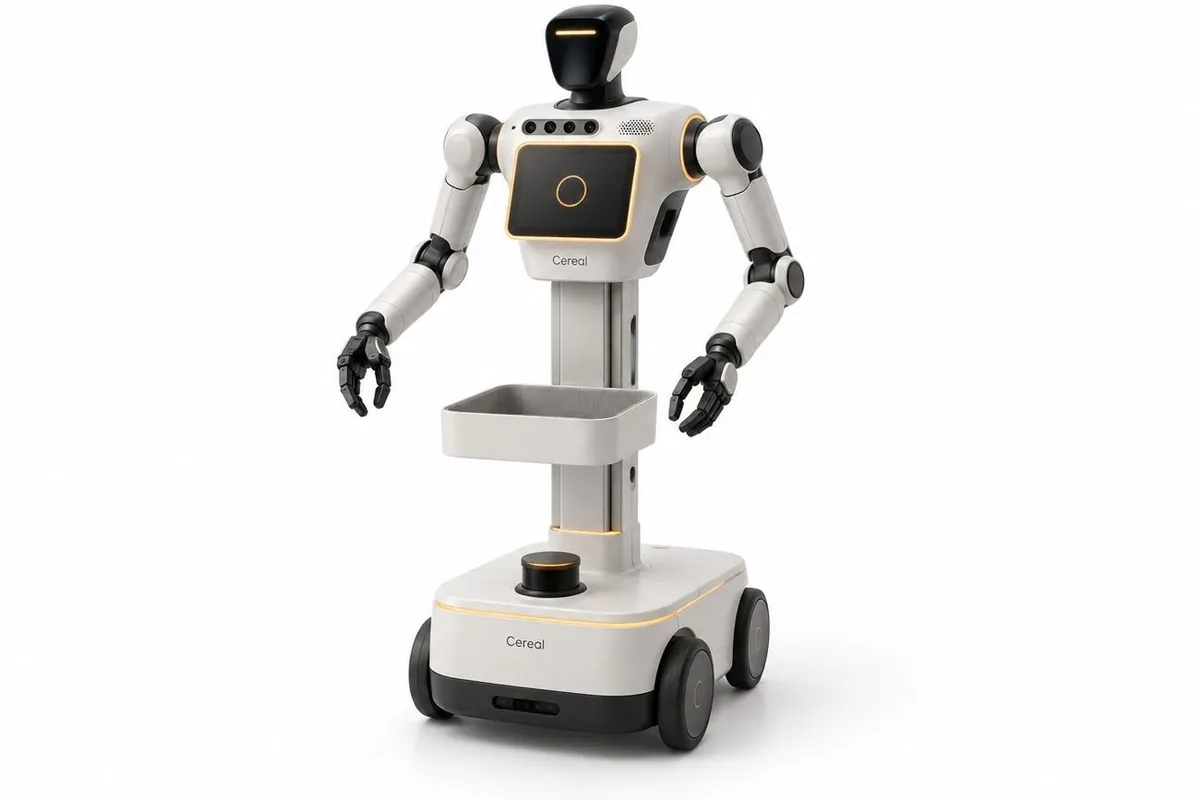
Humanoid on wheels
A humanoid upper body on a wheeled base, with arms for reaching and handover. Each manipulation task needs its own tested hardware and skill.
Later · planned
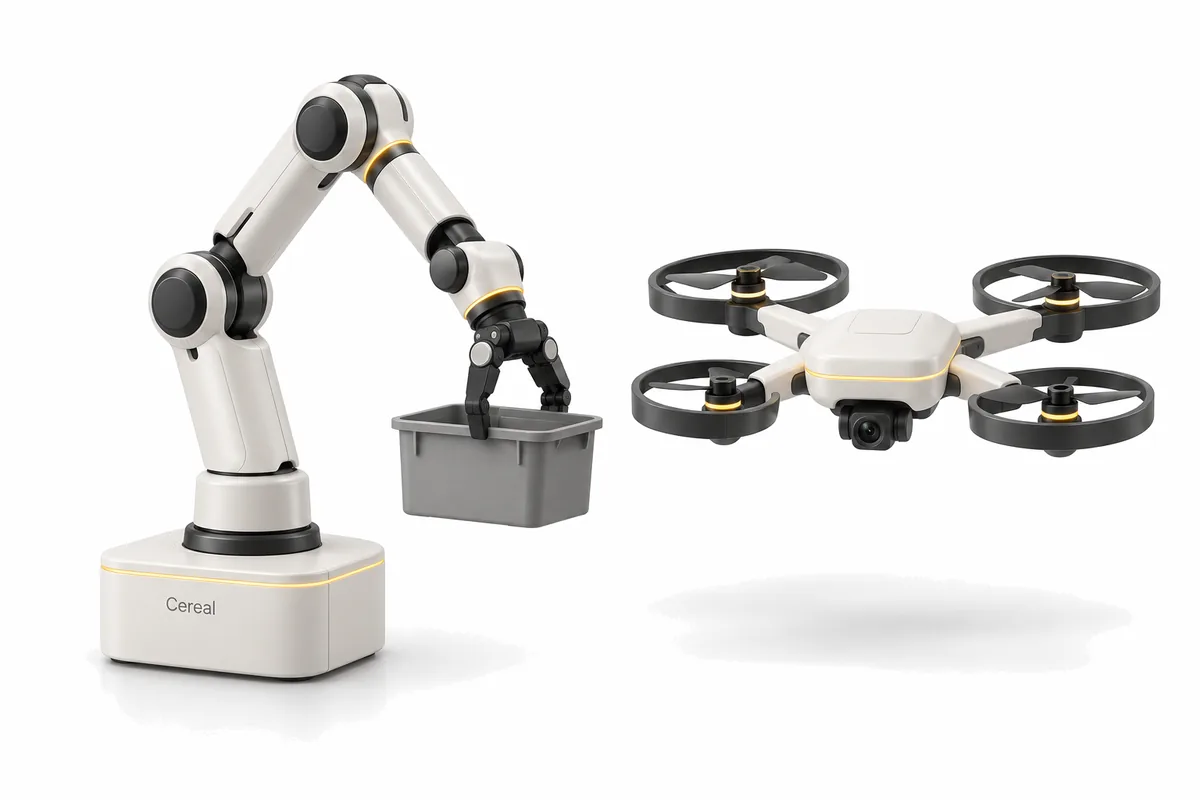
Drones & robot arms
Drones for high places and large sites, and robot arms for fixed stations. Each needs its own integration and safety case before it joins a site.
Site context is designed to outlast a robot. A new body still needs a supported integration, localization, permission review and validation of its skills. Our cross-body demonstration to date is in simulation.
No cameras in residents' rooms, bathrooms or treatment areas. Agree which shared spaces are in scope, who can view results and how long anything is kept, and tell residents and families before the pilot starts.
A route that suits the floor
Review corridor widths, handrails, doors, thresholds, lifts and where residents with walkers or wheelchairs move. Start on one approved corridor, at walking pace, with a staff member present and a stop procedure everyone knows.
IT, safety and your regulator
Expect a security review of the network and data handling, a risk assessment, and a conversation with your insurer and regulator where needed. Nurse call, health records and access control are separate integrations, not automatic features.
Measure something useful
Agree what success means.
A pilot should answer a real question for you. Record the starting point, test the agreed workflow and review where it helped or needed intervention.
01Rounds completed with usable observations
02Exceptions reaching the right staff member quickly
03Staff minutes saved on routine checks
04No privacy incidents, and clear communication with residents and families
Questions before you join
The practical details.
Does it watch residents or detect falls?
No. Today the robot describes what it sees when asked, on agreed routes in shared spaces. It is not a resident monitoring, fall detection or medical device, and it does not replace nurse call, existing sensors or the rounds your care standards require.
Can it deliver medication, linens or meals?
Not the current quadruped: it has no arm and does not carry items. Robots that carry boxes and parcels between approved places are planned next, then delivery and butler robots. Anything involving medication would need its own controls and validation.
Will a surveyor accept it?
We design the record so a site can show what was checked, by which robot and under which permission. Whether it helps with a particular survey or standard depends on your jurisdiction and your own documentation. We do not claim regulatory approval.
How do we start, and what does it cost?
Join the founding-site list with a short description of your community or hospital floor and the check you want to improve. We scope the route, privacy rules, supervision and pricing with you before any commitment or charge.
The founding list
Tell us about your site.
Joining is free. Suitability, supported tasks, timing, pricing and support are agreed before anything is charged.