A robot for your site. The same walk, every evening.
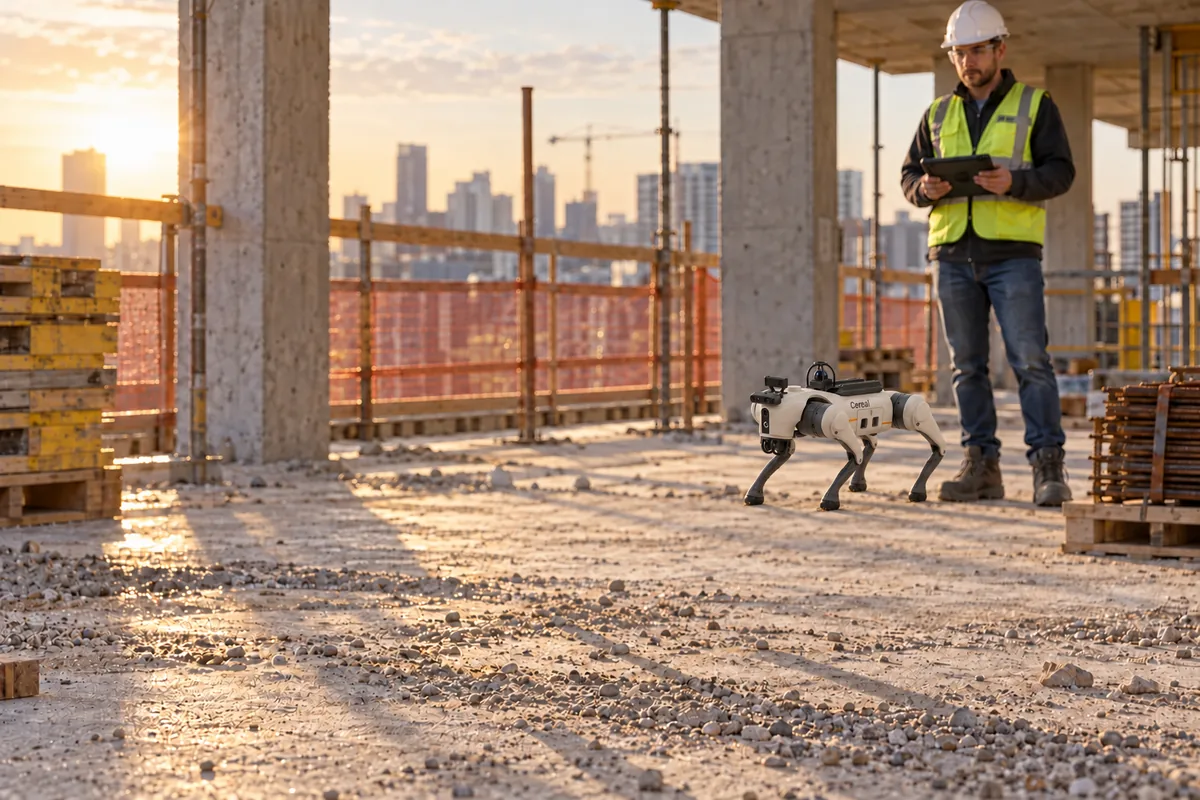
A construction site changes every day, and nobody has time to document all of it. A four-legged robot can cross ground a wheeled one cannot, and Cereal ties each walk to the site record: what was seen, where, when and who asked. The site manager stays responsible for every decision.
For construction managers, site engineers and project owners
Where does a robot fit on a construction site?
Start with repeatable documentation: a supervised walk at the end of the day that takes progress photos from the same points and notes visible issues for the site manager. Uneven ground is where a four-legged robot is useful, but every site needs its own assessment. Our first real-robot demonstration is in a home; construction workflows need validation on your site and in your conditions.
01 / A workflow to evaluate
Progress from the same points
Agree a set of named points on a level and photograph them from the same positions each day. Compare the pictures over time to support progress reports and handovers. Measurements, 3D scans and comparison with drawings need extra sensors and integration.
02 / A workflow to evaluate
Visible issues, flagged to a person
Report what can be seen on the route: a blocked access path, missing edge protection, standing water, materials left in a walkway. The site manager decides what is a hazard and what to do. A camera view is not a safety inspection or a certification.
03 / A workflow to evaluate
A record of every walk
Keep each walk's photos, times and notes with the site, including points that were skipped or blocked. Test whether it saves time on daily reports compared with your current process.
The first body, and the next ones
A job must fit its body.
Today · test robot
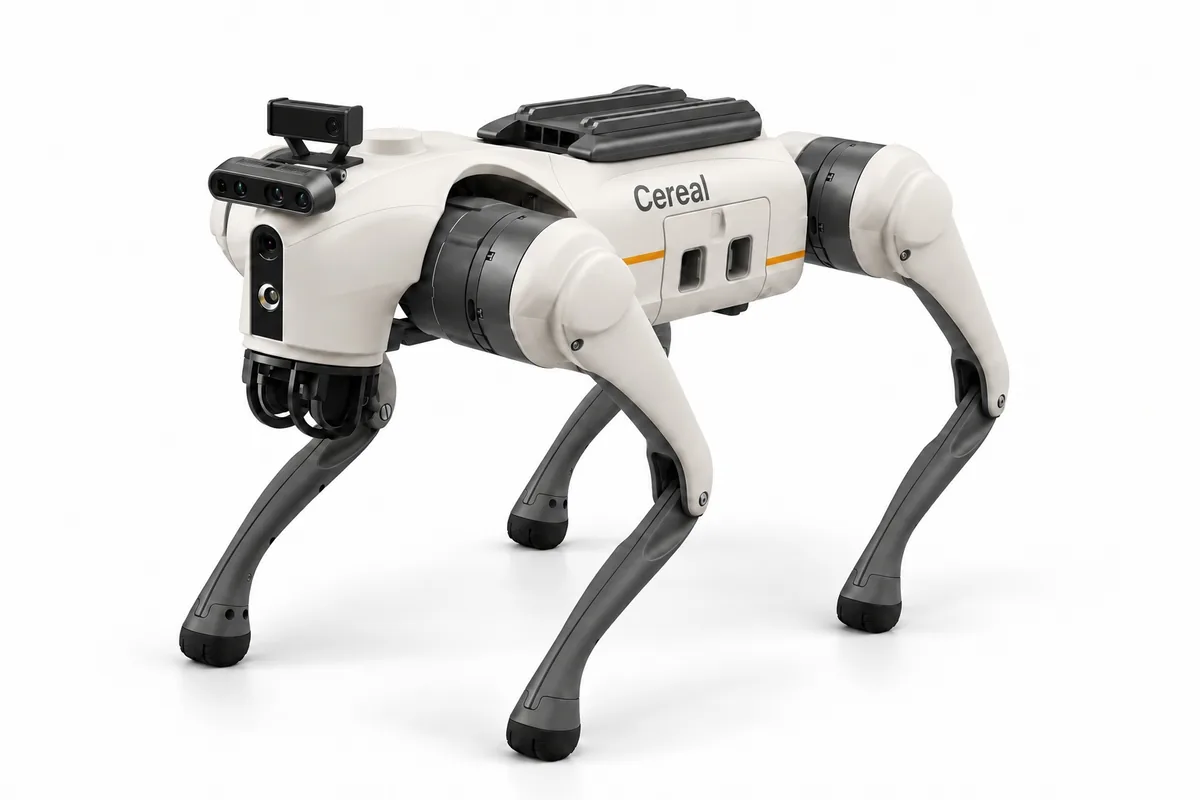
Four-legged robot
Conversation, observation and supported movement on our current quadruped. See the real demonstration; each new site still needs setup and validation.
Next · planned
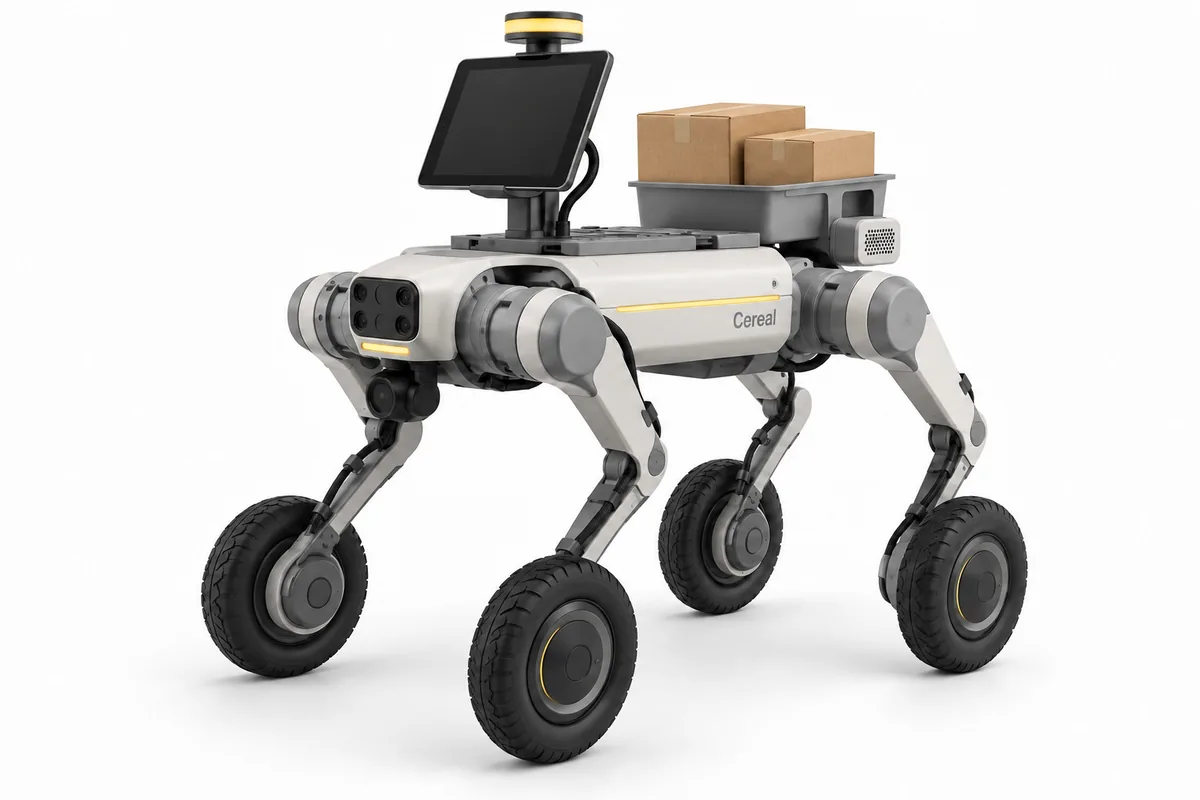
Box & parcel transport robots
Wheeled robots that carry boxes and parcels between approved places. They will not move pallets or load and unload themselves. Specific models, payloads and integrations will be confirmed before deployment.
Then · planned
Delivery & butler robots
Bodies for delivering items and serving people in homes, hotels and offices. Each workflow is tested before it is offered.
After that · planned
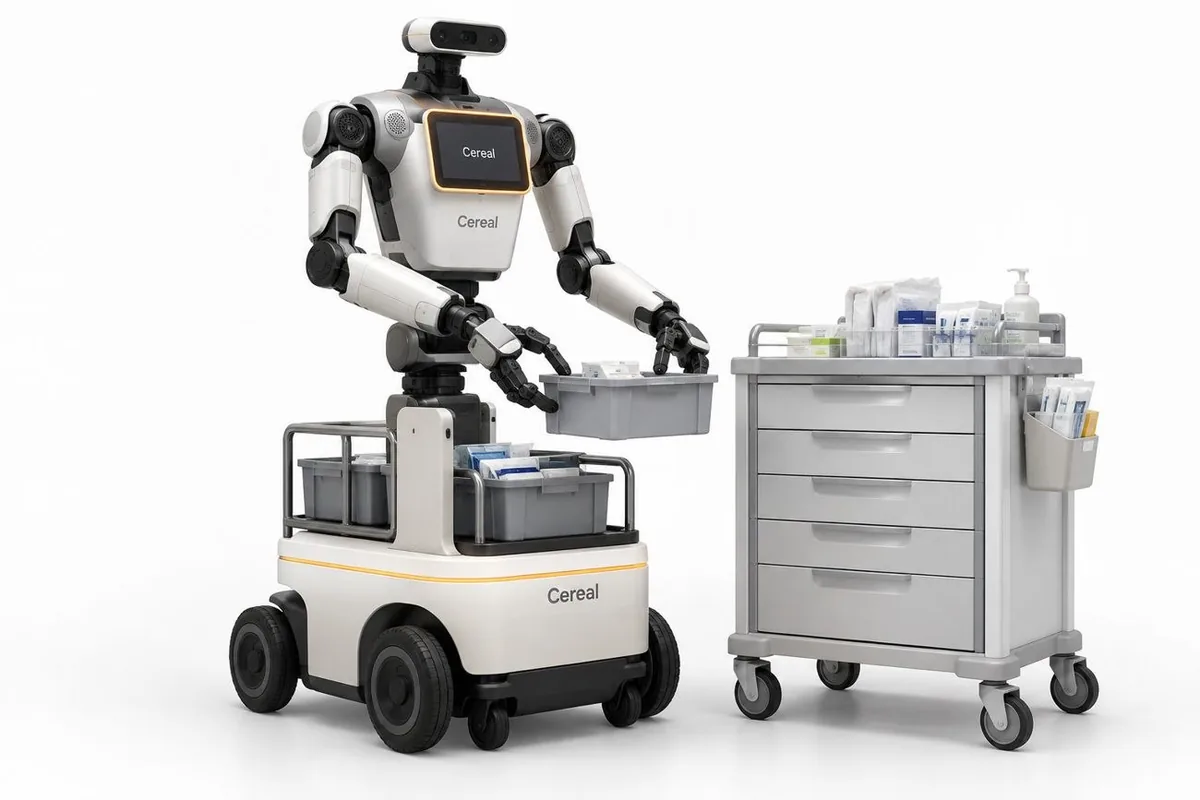
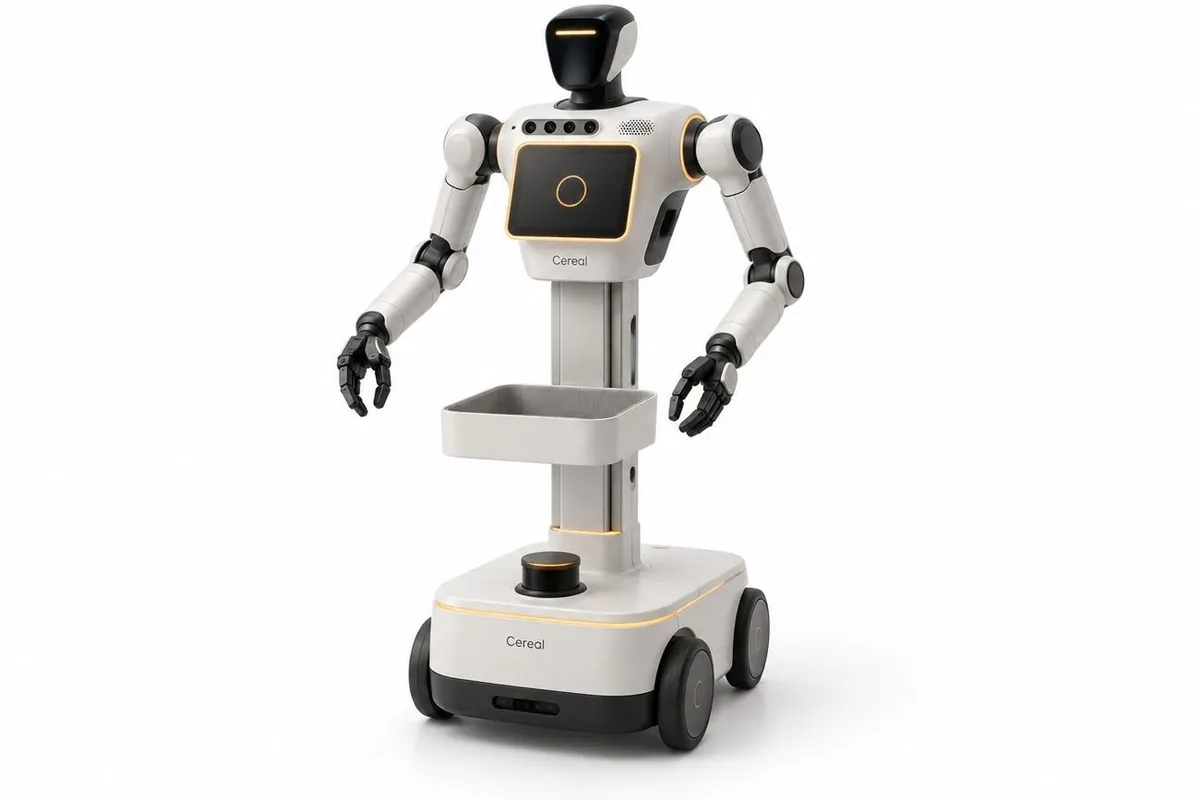
Humanoid on wheels
A humanoid upper body on a wheeled base, with arms for reaching and handover. Each manipulation task needs its own tested hardware and skill.
Later · planned
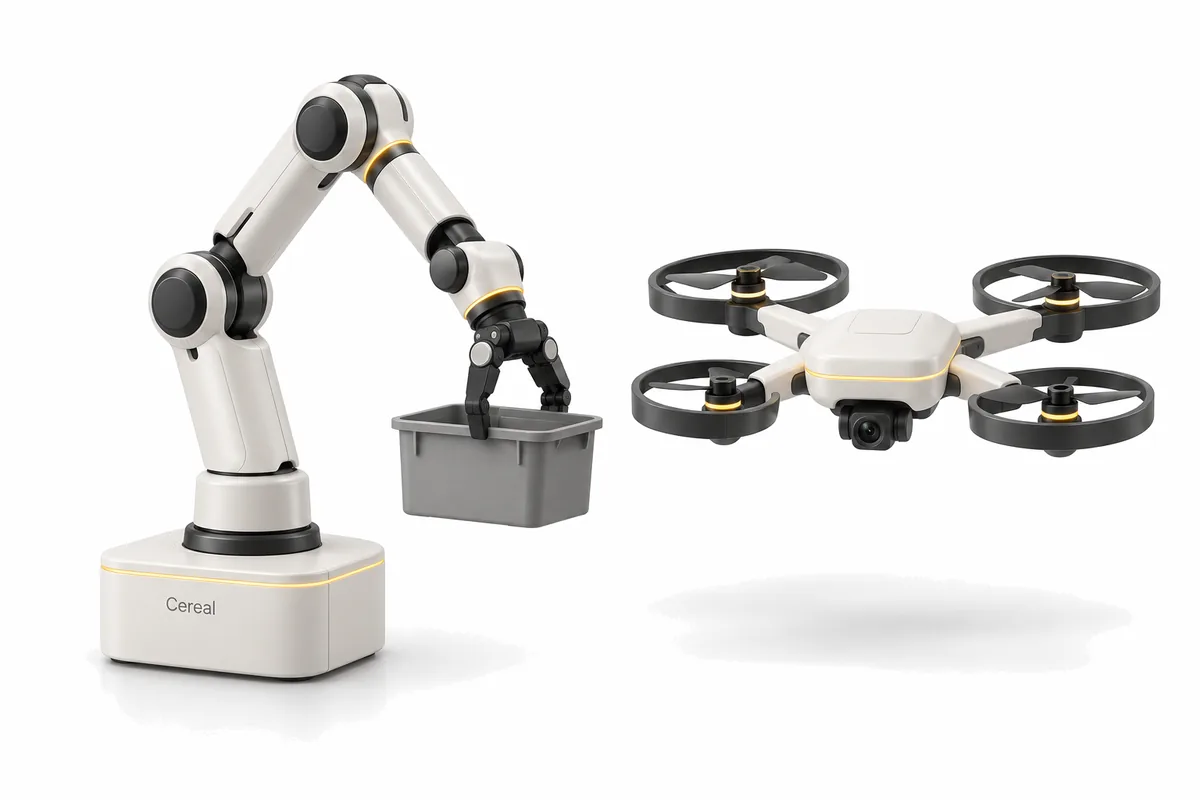
Drones & robot arms
Drones for high places and large sites, and robot arms for fixed stations. Each needs its own integration and safety case before it joins a site.
Site context is designed to outlast a robot. A new body still needs a supported integration, localization, permission review and validation of its skills. Our cross-body demonstration to date is in simulation.
Check slab edges, openings, stairs, rebar, mud and debris before any route is approved. The current robot is not rated for rain, extreme heat, heavy dust or hazardous areas, and battery life limits each walk. Start on one dry, protected level.
People and machines at work
Plan walks outside active work hours, or in a separated zone, at first. Keep cranes, plant and vehicles off the route, and agree where the robot waits and who can stop it.
Connectivity, charging and storage
Sites often lack Wi-Fi. Plan coverage, a charging spot and secure overnight storage. Connecting to project management or reporting tools is separate scope.
Measure something useful
Agree what success means.
A pilot should answer a real question for you. Record the starting point, test the agreed workflow and review where it helped or needed intervention.
01Points photographed consistently on each walk
02Issues reaching the site manager with location and time
03Time saved on daily progress reports
04Interventions per walk, and why they happened
Questions before you join
The practical details.
Can it scan the site or compare it with the drawings?
Not today. The current robot takes photos and describes what it sees on request. 3D scanning and comparison with drawings or a building model need a mapping lidar, software and validation that would be agreed for a pilot.
Is it a site security patrol?
Unattended patrols are planned, not available today. Cereal is not a replacement for site security, alarms or a guard service, and a person stays responsible for the site.
Can it work in the rain or on any ground?
No. Weather ratings, terrain and battery life must be checked for the chosen hardware. We do not claim all-weather operation or hazardous-area certification.
How do we start, and how is it priced?
Join the founding-site list with a short description of your site and the walk you want to improve. We scope the robot, setup, support and any integrations with you. Pricing and timing are agreed before any commitment or charge.
The founding list
Tell us about your site.
Joining is free. Suitability, supported tasks, timing, pricing and support are agreed before anything is charged.